
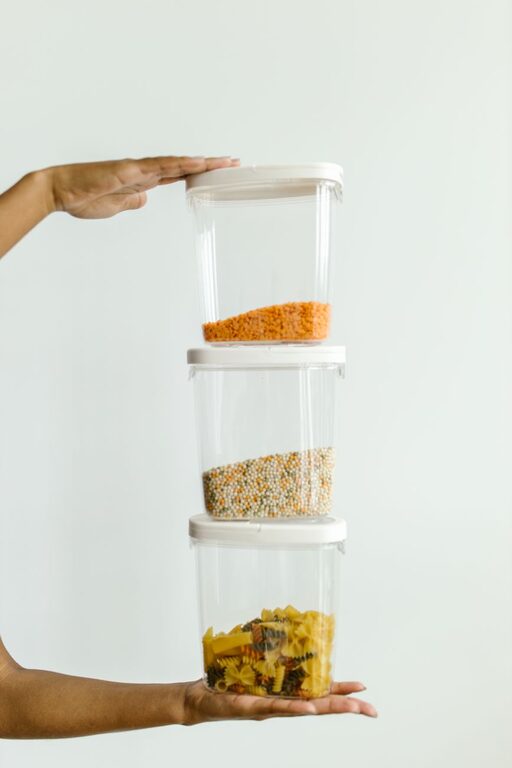
Planning meals around pantry staples is a smart way to simplify cooking, save money, and reduce food waste. Your pantry likely contains many versatile ingredients that can be transformed into satisfying meals with just a little creativity. Whether you’re new to cooking or a seasoned home chef, learning how to use pantry staples effectively can make mealtime easier and more enjoyable. In this guide, we’ll explore practical tips and meal ideas to help you plan meals from what you already have.
Why Meal Planning with Pantry Staples Matters
Meal planning helps you organize your week, reduce stress, and avoid last-minute trips to the store. Using pantry staples as your foundation offers several benefits:
– Cost-effective: Pantry staples like rice, beans, pasta, and canned goods tend to be affordable and have a long shelf life.
– Convenience: Having staples on hand means you can quickly pull together meals without needing fresh ingredients every time.
– Less food waste: Planning meals around what’s already in your pantry prevents unused items from expiring.
– Healthier choices: Cooking at home from pantry staples allows you to control ingredients and portion sizes.
Assess Your Pantry Stock
Before you start planning, take inventory of your pantry. Use a list or app to note what you have on hand. Common pantry staples include:
– Grains: rice, pasta, quinoa, couscous, oats
– Canned goods: beans, tomatoes, vegetables, tuna
– Baking basics: flour, sugar, baking powder, baking soda
– Oils and vinegars: olive oil, vegetable oil, apple cider vinegar, balsamic vinegar
– Spices and seasonings: salt, pepper, garlic powder, herbs, chili flakes
– Broths and sauces: chicken or vegetable broth, soy sauce, tomato sauce
– Nuts, seeds, and dried fruit
Knowing what’s available helps you create a meal plan that maximizes these ingredients and minimizes extra shopping.
Build Your Meal Plan Around Core Ingredients
When planning meals from pantry staples, identify one or two main ingredients to build your meals around. Here are some examples:
Beans and Legumes
Beans are a fantastic base for many dishes. Use canned or dried beans to make:
– Chili: Cook beans with canned tomatoes, chili powder, and onions.
– Bean salads: Mix beans with olive oil, vinegar, herbs, and chopped canned vegetables.
– Soups and stews: Add beans to broth, spices, and any fresh or canned vegetables you have.
Rice and Grains
Grains can be a versatile base or side dish:
– Stir-fries: Use rice with canned or frozen veggies and soy sauce.
– Pilafs: Cook grains with broth and spices, adding canned vegetables or nuts for texture.
– Breakfast bowls: Oats or quinoa can be combined with nuts, dried fruit, and spices for a quick meal.
Pasta
Pasta is quick and easy to prepare:
– Tomato sauce pasta: Combine cooked pasta with canned tomato sauce, herbs, and cheese if available.
– Pasta salads: Mix pasta with canned beans, olive oil, vinegar, and spices.
– One-pot pasta: Cook pasta with broth, canned veggies, and herbs for a simple dish.
Incorporate Fresh or Frozen Ingredients When Possible
While pantry staples provide a strong foundation, adding fresh or frozen items can enhance flavor and nutrition. Frozen vegetables like peas, spinach, or corn keep well and can complement pantry staples in many dishes. Fresh garlic, onions, or citrus fruits can add vibrant taste to meals without much extra effort.
Plan Balanced Meals
Aim for meals that include a balance of carbohydrates, proteins, and healthy fats. For example:
– Rice (carb) + beans (protein) + olive oil and spices (fat and flavor)
– Pasta (carb) + canned tuna (protein) + olive oil and herbs (fat)
– Oats (carb) + nuts (protein and fat) + dried fruit (fiber and sweetness)
This balance helps keep you full and provides essential nutrients.
Create a Weekly Meal Plan Template
To make meal planning easier, set up a simple template for your week. Here’s an example:
– Monday: Bean chili with rice
– Tuesday: Pasta with tomato sauce and canned vegetables
– Wednesday: Grain bowl with quinoa, beans, and olive oil dressing
– Thursday: Stir-fried rice with frozen veggies and soy sauce
– Friday: Soup with broth, canned tomatoes, beans, and spices
– Saturday: Oatmeal with nuts and dried fruit for breakfast; pasta salad for lunch
– Sunday: Leftover vegetable stir-fry over couscous
Adjust according to your pantry and preferences.
Tips for Success
– Organize your pantry: Keep staples visible and easy to reach to encourage using them.
– Stock up wisely: Buy pantry staples in bulk or on sale for better savings.
– Experiment with spices: Changing spices can completely transform a dish.
– Batch cook: Prepare large portions and refrigerate or freeze leftovers.
– Use recipes for inspiration: Many websites offer recipe ideas based on pantry ingredients.
Simple Pantry Staple Meal Ideas to Try
Here are a few easy recipes you can make from common pantry items:
1. Quick Bean Tacos
– Warm canned beans with chili powder and cumin.
– Serve in tortillas (flour or corn), topped with canned corn and salsa.
2. One-Pot Tomato Pasta
– In a pot, combine pasta, canned diced tomatoes, broth, garlic powder, and onion powder.
– Cook until pasta is tender and liquid is mostly absorbed.
– Stir in olive oil and season to taste.
3. Rice and Lentil Pilaf
– Cook lentils and rice together with broth and spices.
– Stir in olive oil and dried herbs for flavor.
4. Oatmeal with Dried Fruit and Nuts
– Cook oats with water or milk.
– Top with chopped nuts, dried fruit, and a drizzle of honey or maple syrup.
—
By planning meals around what you already have in your pantry, you can enjoy delicious dishes without stress or extra expense. Start with a pantry inventory, choose core ingredients, and get creative with flavors and combinations. With a little practice, meal planning using pantry staples will become second nature—and your meals will be tasty, nourishing, and budget-friendly.