
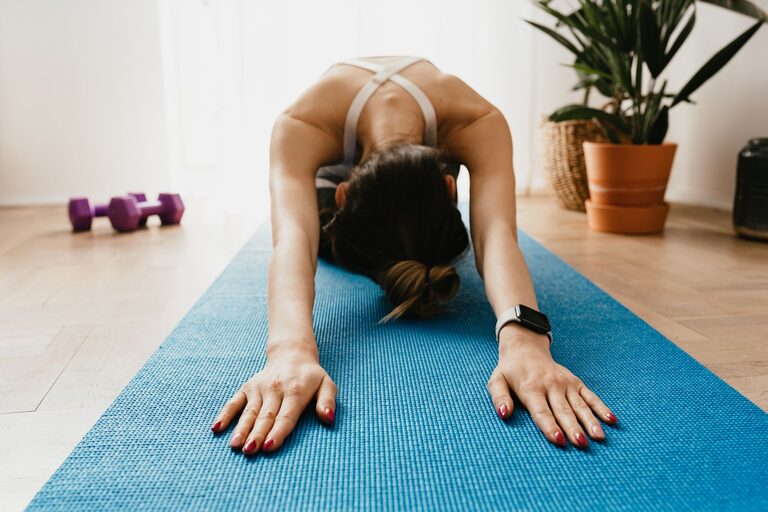
Stretching is a fundamental part of maintaining a healthy body, yet many people overlook it in their daily routines. Whether you’re new to exercise or simply want to add some gentle movement to your day, stretching at home can be a great way to enhance your flexibility, reduce muscle stiffness, and boost your overall sense of well-being. This beginner’s guide will walk you through the basics of stretching, offer tips for safe practice, and provide simple routines to get you started.
Why Stretching Matters
Stretching helps lengthen muscles and tendons, increasing the range of motion in your joints. Improved flexibility can reduce the risk of injury, ease muscle tension, and improve posture. Additionally, stretching can promote relaxation and stress relief, making it a wonderful addition to your daily self-care.
Types of Stretching
Before diving into stretches, it’s helpful to understand the main types:
1. Static Stretching
This type involves holding a stretch in one position for 15-60 seconds. It is best done after exercise or as a separate routine to improve flexibility over time.
2. Dynamic Stretching
Dynamic stretches use controlled, active movements through your full range of motion without holding a position. These are great as part of a warm-up to prepare your muscles for activity.
3. Ballistic Stretching
This involves bouncing or jerking movements to stretch muscles. It’s generally not recommended for beginners as it can cause injury if done improperly.
For beginners, focusing on static and gentle dynamic stretches is the safest and most effective approach.
Preparing to Stretch at Home
To get the most from your stretching routine, prepare your space and body:
– Find a comfortable space: Choose a quiet area with enough room to move freely.
– Wear comfortable clothing: Clothes that allow easy movement will help you stretch without restriction.
– Use a mat or soft surface: This protects you when sitting or lying down for some stretches.
– Warm up first: Do light activity like walking or marching in place for 3-5 minutes to warm your muscles.
Basic Stretching Routine for Beginners
Here is a simple routine targeting major muscle groups. Hold each stretch gently for 20-30 seconds and repeat 2-3 times if comfortable.
Neck Stretch
– Sit or stand tall.
– Slowly tilt your head toward your right shoulder until you feel a gentle stretch on the left side.
– Switch sides.
Shoulder Stretch
– Bring your right arm across your chest.
– Use your left hand to press your arm gently toward your chest.
– Switch arms.
Triceps Stretch
– Raise your right arm and bend the elbow to touch the middle of your back.
– Use your left hand to gently push the right elbow downward.
– Switch arms.
Chest Stretch
– Stand tall and clasp your hands behind your back.
– Gently lift your arms and open your chest.
– Hold and breathe deeply.
Cat-Cow Stretch (Spine)
– On hands and knees, inhale as you arch your back, lifting your head and tailbone (cow).
– Exhale as you round your back, tucking your chin and pelvis (cat).
– Repeat slowly 5 times.
Hamstring Stretch
– Sit on the floor with legs extended.
– Reach towards your toes while keeping your back straight.
– Stop when you feel a stretch behind your thighs.
Quadriceps Stretch
– Stand and hold onto a support if needed.
– Bend your right knee and grab your ankle behind you.
– Keep knees close and push hips forward.
– Switch legs.
Calf Stretch
– Stand facing a wall, place hands on it.
– Step one foot back and press the heel down.
– Switch legs.
Tips for Safe and Effective Stretching
– Never force a stretch: Move gently to the point of mild tension, never pain.
– Breathe naturally: Don’t hold your breath while stretching.
– Be consistent: Stretching regularly, ideally daily or at least 3 times a week, produces the best results.
– Listen to your body: If you have injuries or health conditions, consult with a healthcare provider before starting a new routine.
– Progress gradually: As you improve, you can increase stretch duration and intensity.
Incorporating Stretching Into Your Day
Stretching doesn’t have to be a long chore. Here are simple ways to add it to your daily life:
– Stretch in the morning to wake up your body.
– Take mini stretch breaks during long periods of sitting.
– Stretch after exercise to cool down and relax muscles.
– Use stretching as a way to unwind before bed.
Final Thoughts
Stretching at home offers an accessible path to better flexibility, improved posture, and muscle relaxation. By taking just a few minutes each day to stretch, you can support your body’s health and feel more comfortable in your daily activities. Remember to be patient with yourself as flexibility develops gradually. Enjoy the process and take pleasure in the small improvements along the way!
With these tips and routines, you’re ready to begin your stretching journey at home. Happy stretching!