
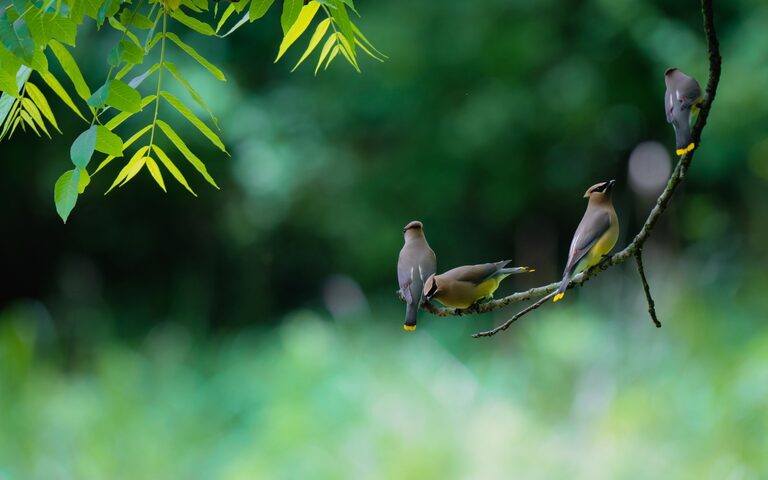
Birdwatching is a rewarding hobby that anyone can enjoy, no matter where you live. Whether you have a small garden, a spacious yard, or even a balcony, observing birds in your backyard can bring you closer to nature and provide hours of entertainment. If you’re new to birdwatching, this guide will offer helpful tips to get you started and make the experience enjoyable.
Why Backyard Birdwatching?
Birdwatching in your own backyard is convenient and accessible. It allows you to connect with local wildlife without traveling far, and it can be a relaxing way to spend time outdoors. Watching birds also helps you learn about different species, their behaviors, and their role in the environment.
Getting Started: Essential Tips for Beginners
1. Set Up a Comfortable Viewing Spot
Choose a quiet, comfortable place where you can watch birds without disturbing them. This could be near a window, on a porch, or a designated area in your yard. Having a chair or bench and some shade will make your birdwatching sessions more pleasant.
2. Provide Food and Water
Birds need food and water to visit regularly. Consider putting up bird feeders filled with seeds, suet, or mealworms, depending on the species you want to attract. A simple birdbath filled with fresh water can also encourage birds to stop by to drink and bathe.
3. Use Birdfeeders Wisely
There are different types of birdfeeders designed to attract specific birds:
– Tube feeders: Great for small seed-eating birds like finches and chickadees.
– Platform feeders: Open trays that attract a wide variety of birds.
– Suet feeders: Hold blocks of suet liked by woodpeckers and nuthatches.
– Hummingbird feeders: Filled with sugar water to attract hummingbirds.
Place feeders at varying heights and in areas with some cover, like shrubs or trees, so birds feel safe.
4. Learn to Identify Common Birds
Start by learning the names and features of birds common to your area. Field guides, apps, and websites offer photos and descriptions to help you identify birds by size, color, shape, and behavior. Keep a notebook to record your observations—it’s a fun way to track what you see over time.
5. Be Patient and Observant
Birds might take time to find your feeders or become comfortable around your viewing spot. Patience is key. Watch carefully and quietly, and you’ll be rewarded with interesting behaviors and visits from different species.
Enhancing Your Birdwatching Experience
Use Binoculars
A good pair of binoculars can bring birds closer and help you see details, such as feather patterns and colors, without disturbing them.
Keep a Birdwatching Journal
Writing down dates, species, and notes about bird behavior adds depth to your hobby and creates a personal record of your backyard wildlife.
Take Photos
If you enjoy photography, try capturing images of birds. This can help with identification and provides lovely memories of your birdwatching adventures.
Creating a Bird-Friendly Backyard
Plant Native Flowers and Trees
Native plants provide natural food, shelter, and nesting sites for birds. Research plants that grow well in your area and attract local bird species.
Avoid Pesticides
Chemicals can harm birds and the insects they feed on. Opt for natural gardening methods to create a safe habitat.
Provide Shelter
Brush piles, shrubs, and birdhouses offer places for birds to hide, rest, and raise their young.
Common Backyard Birds to Expect
Depending on your region, you might see:
– Sparrows
– Cardinals
– Blue Jays
– Chickadees
– Robins
– Woodpeckers
– Hummingbirds
Each has unique behaviors and preferences, making backyard birdwatching a continually interesting activity.
Conclusion
Starting backyard birdwatching is simple and can be incredibly rewarding. By setting up feeders, learning about local birds, and creating a welcoming environment, you’ll enjoy many peaceful moments observing the beauty of nature. Remember, the key is patience and curiosity. Happy birdwatching!